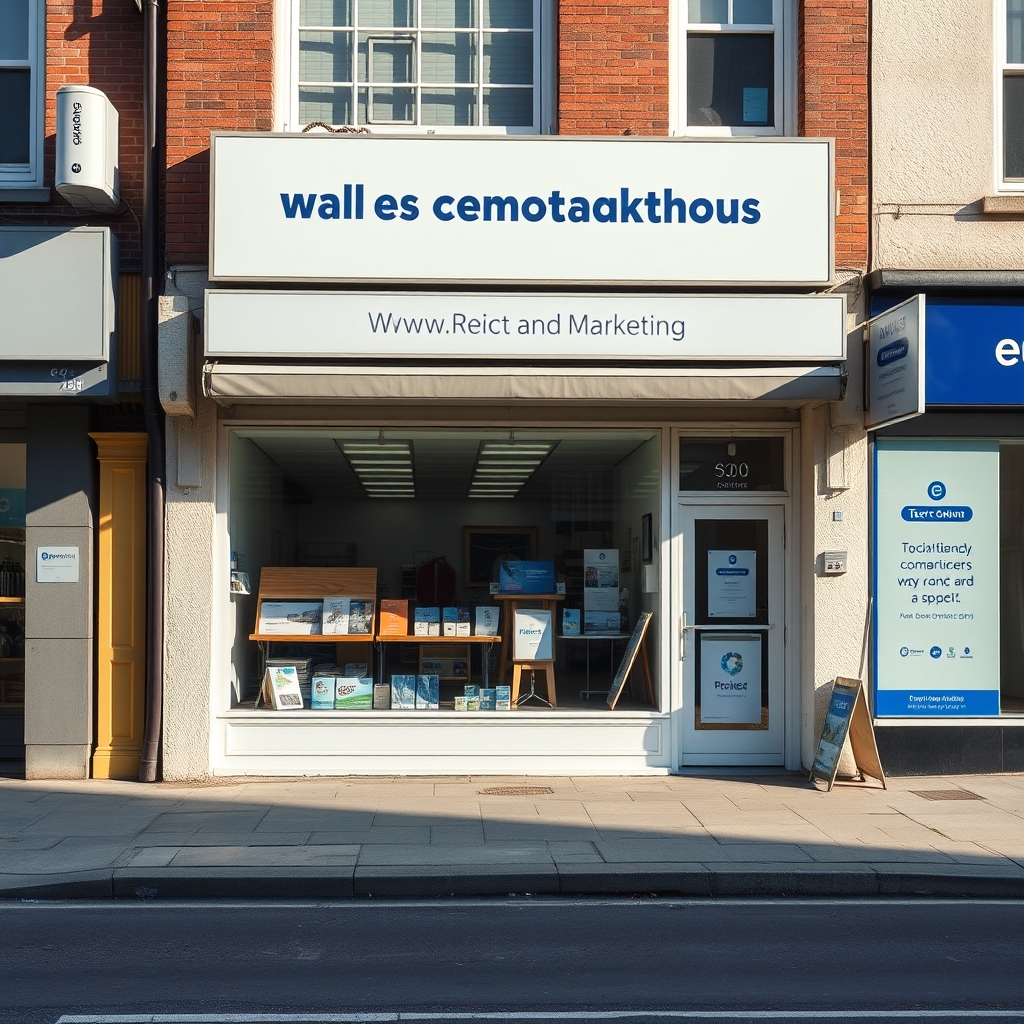
Trust comes from specifics: service area, opening details, real examples and a contact route that works on a phone.
Name the Area in Context
A place name in the title is not enough. Explain which neighbourhoods you serve, what travel you cover and what is different about the local routine.
Avoid repeating the same paragraph with a different city name. Search engines and people both notice when a page has nothing local to say.
Give Readers a Next Step
Put the phone, email or booking link where a thumb can reach it. Local searches often happen on a phone between other tasks, so a hidden contact form loses the moment.
Make the next step specific: request a quote, check availability or ask about a service area. A generic call to action is easier to ignore.
Show Real Evidence
Photos of actual work, short case notes and clear service descriptions carry more weight than stock images. They help a visitor imagine the same team arriving at their own place.
Ask for permission before publishing addresses or customer details. Trust grows when proof is useful without exposing private information.

Keep Details Current
Old opening hours and dead links damage trust quickly. Keep a short monthly check for hours, service coverage, contact routes and any seasonal changes.
A smaller page with accurate information beats a large page full of confident but stale claims.

Local trust is built from details someone can verify.